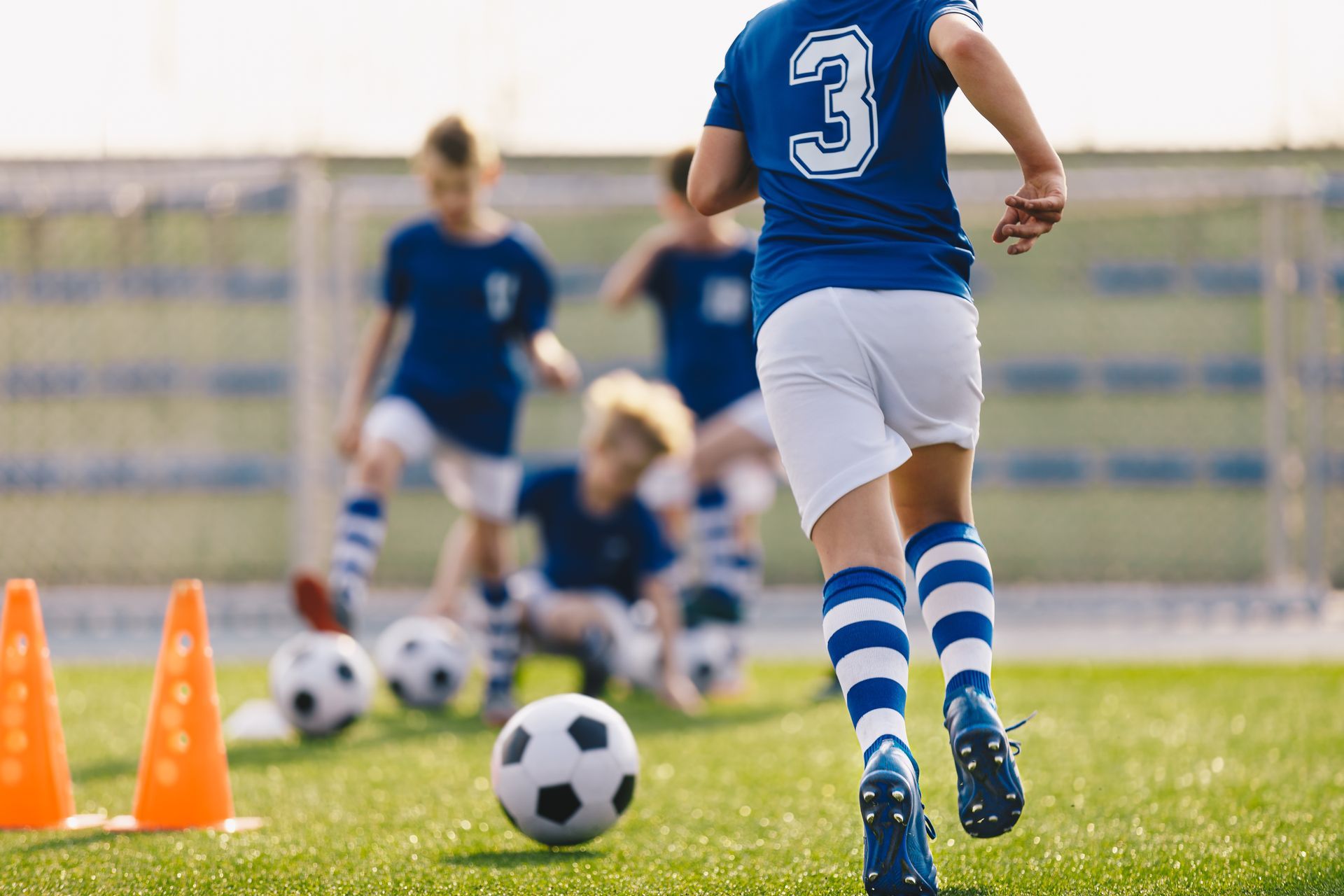
Sports Turf in Kannapolis, NC Engineered for Play, Safety, and All-Weather Use
GSDTURF installs and services sports turf in Kannapolis, NC for schools, athletic complexes, recreation departments, training facilities, and private property owners who need a playing surface that performs in every season. Sports turf is a synthetic athletic surface built to deliver consistent footing, predictable ball response, and impact absorption across heavy, repeated use. Natural grass fields in the Piedmont often struggle with compacted clay, standing water after summer storms, and bare zones in goal mouths and between the hashes. A properly engineered sports turf system solves those problems through precise grading, subsurface drainage, shock-absorbing layers, and fibers selected for the sport being played. Every project we take on starts with a site evaluation that looks at soil conditions, drainage paths, field dimensions, and how many hours the surface needs to support each week.
Schedule a sports turf site evaluation in Kannapolis, NC with GSDTURF today.
Sports Turf Installation and Athletic Field Turf Installation
Sports turf installation is a multi-layer construction process, and field performance depends on getting every layer right. Athletic field turf installation requires far more precision than landscape turf because small grade changes affect ball roll, drainage, and player safety.
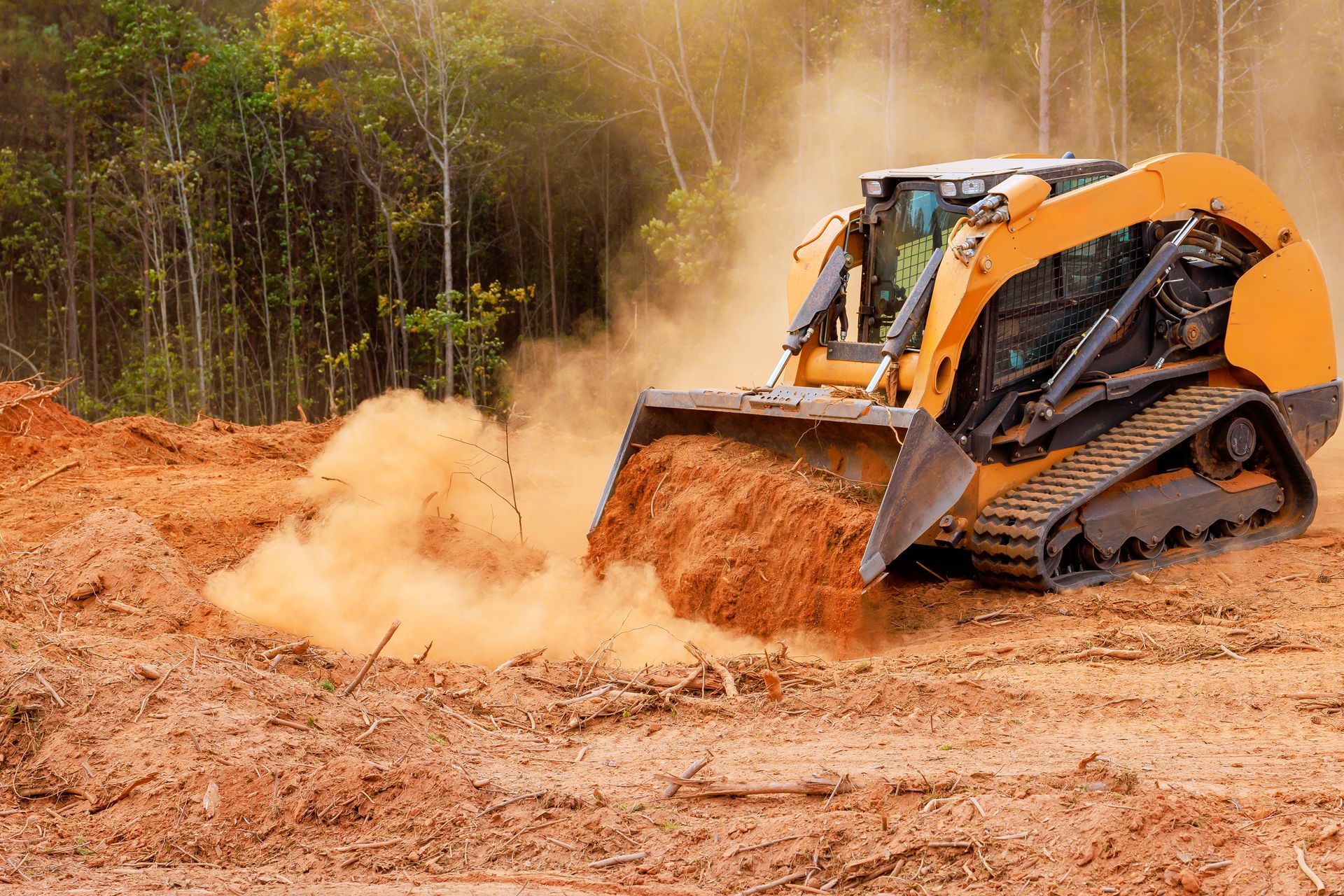
Site Preparation and Subgrade
We begin by removing existing vegetation and organic material, then shape and compact the subgrade. On Kannapolis clay, the subgrade is graded with a slight crown or planar slope so water moves off the field consistently rather than collecting in low spots.
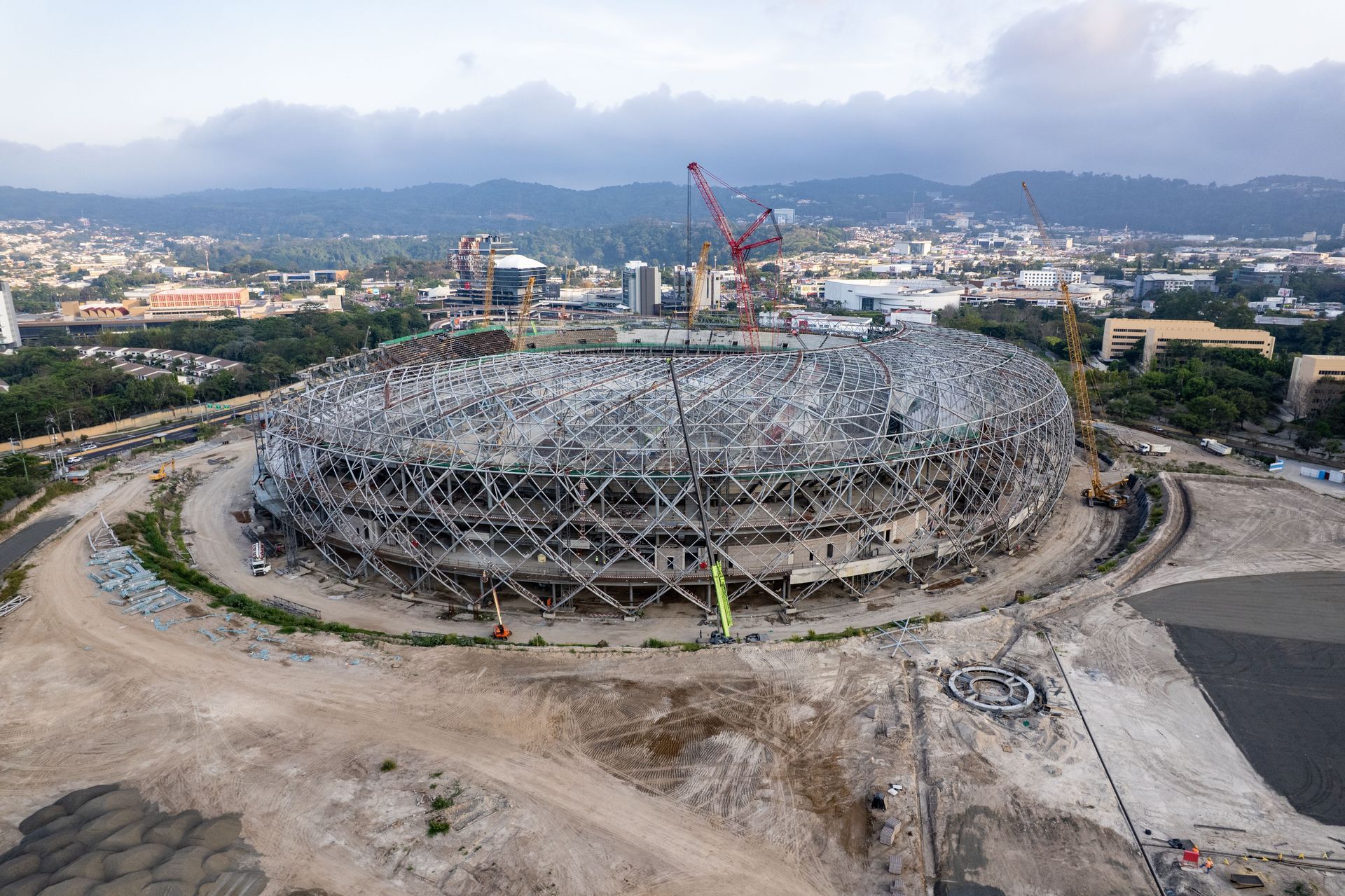
Drainage Systems
Most athletic fields require a subsurface drainage system with collector pipes and perimeter drains that carry water away from the playing surface. This allows the sports turf to be playable shortly after heavy rain, which is one of the main advantages over natural grass fields in the region.
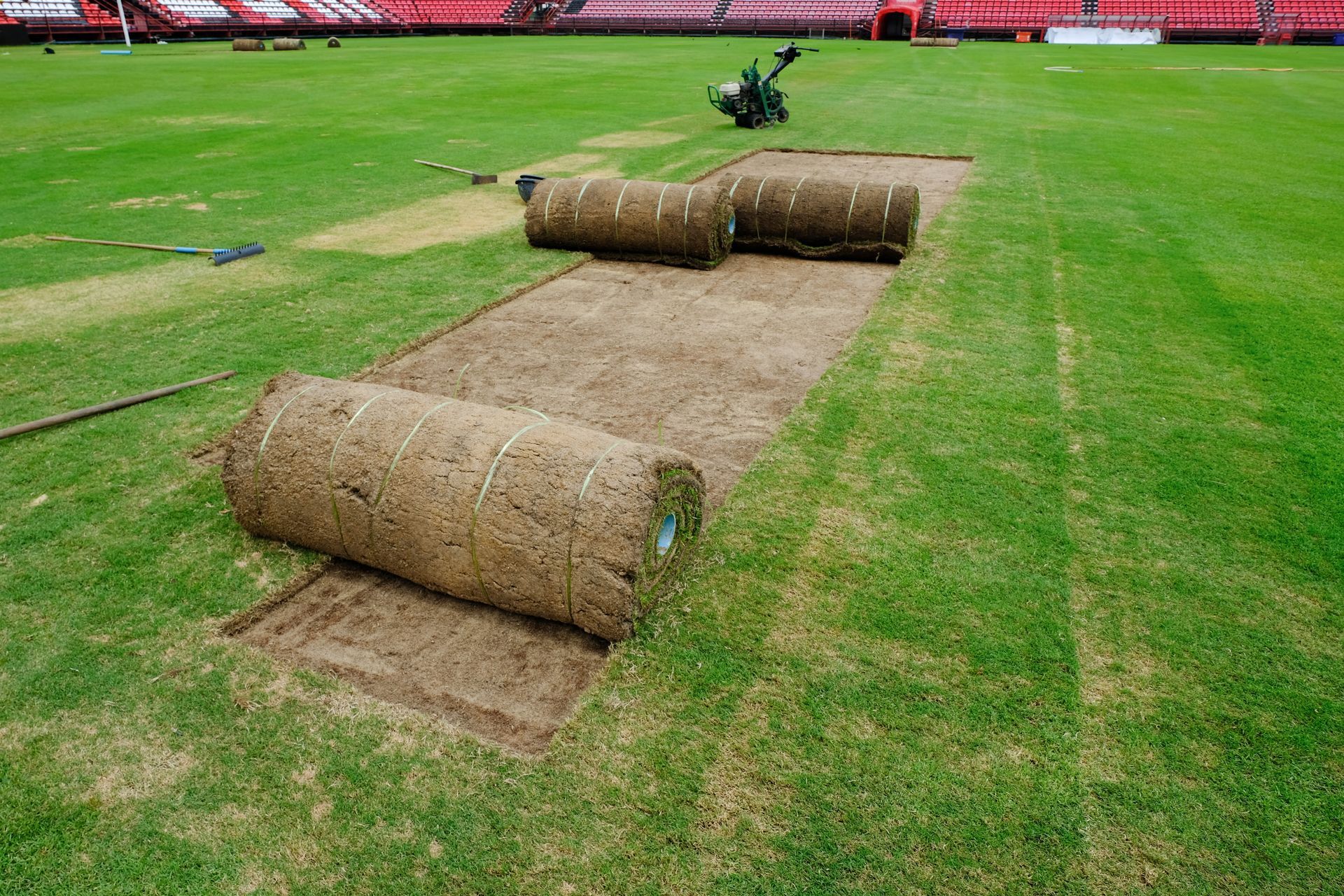
Aggregate Base and Laser Grading
A stone aggregate base is installed in layers, compacted, and laser graded to tight tolerances. This base supports the sports turf, drains water vertically, and provides the flat, stable foundation that consistent ball response depends on.
Shock Pads and Turf Placement
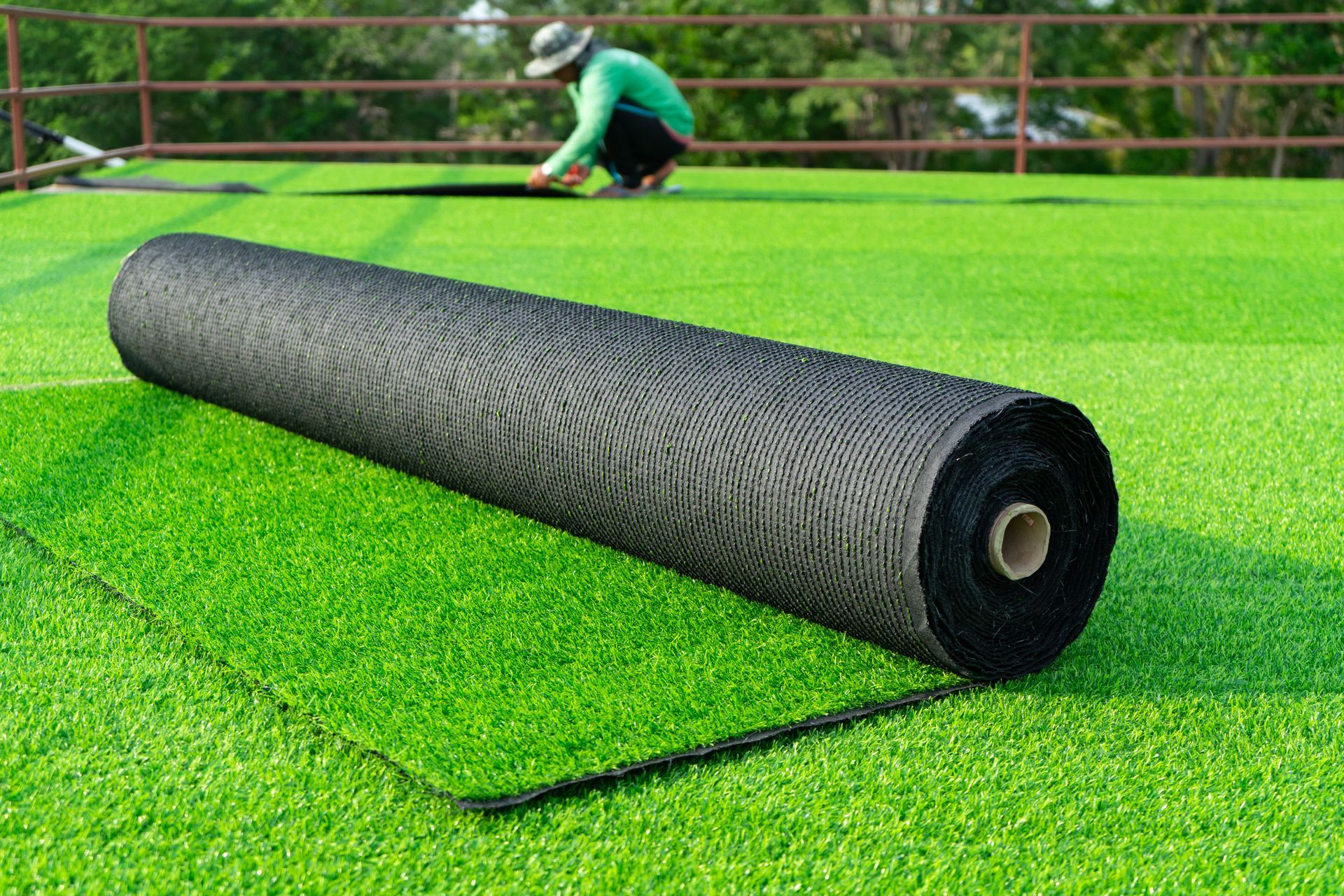
Many athletic field turf installations include a shock pad beneath the turf to improve impact absorption and extend the life of the surface. Turf rolls are then laid, seamed, and secured, with lines and markings either inlaid or tufted in during installation.
Synthetic Sports Surfaces
Synthetic sports surfaces vary widely in fiber type, pile height, backing, and infill. Choosing the right sports turf system depends on the sport, age group, level of play, and budget.
Fiber Types and Pile Height
Monofilament fibers offer a natural look and good ball roll, while slit-film fibers provide strong durability and help hold infill in place. Many fields use a blend of both. Pile height generally ranges from shorter systems for multi-use training areas to longer systems for full-size football and soccer fields.
Infill Options
Infill supports the fibers and provides cushioning. Common choices include crumb rubber, coated rubber, EPDM, TPE, and organic infills such as cork or coconut fiber blended with sand. Each option affects surface temperature, cushioning, maintenance needs, and cost. We walk facility managers through these trade-offs before selecting a sports turf system.
Multi-Sport Surfaces
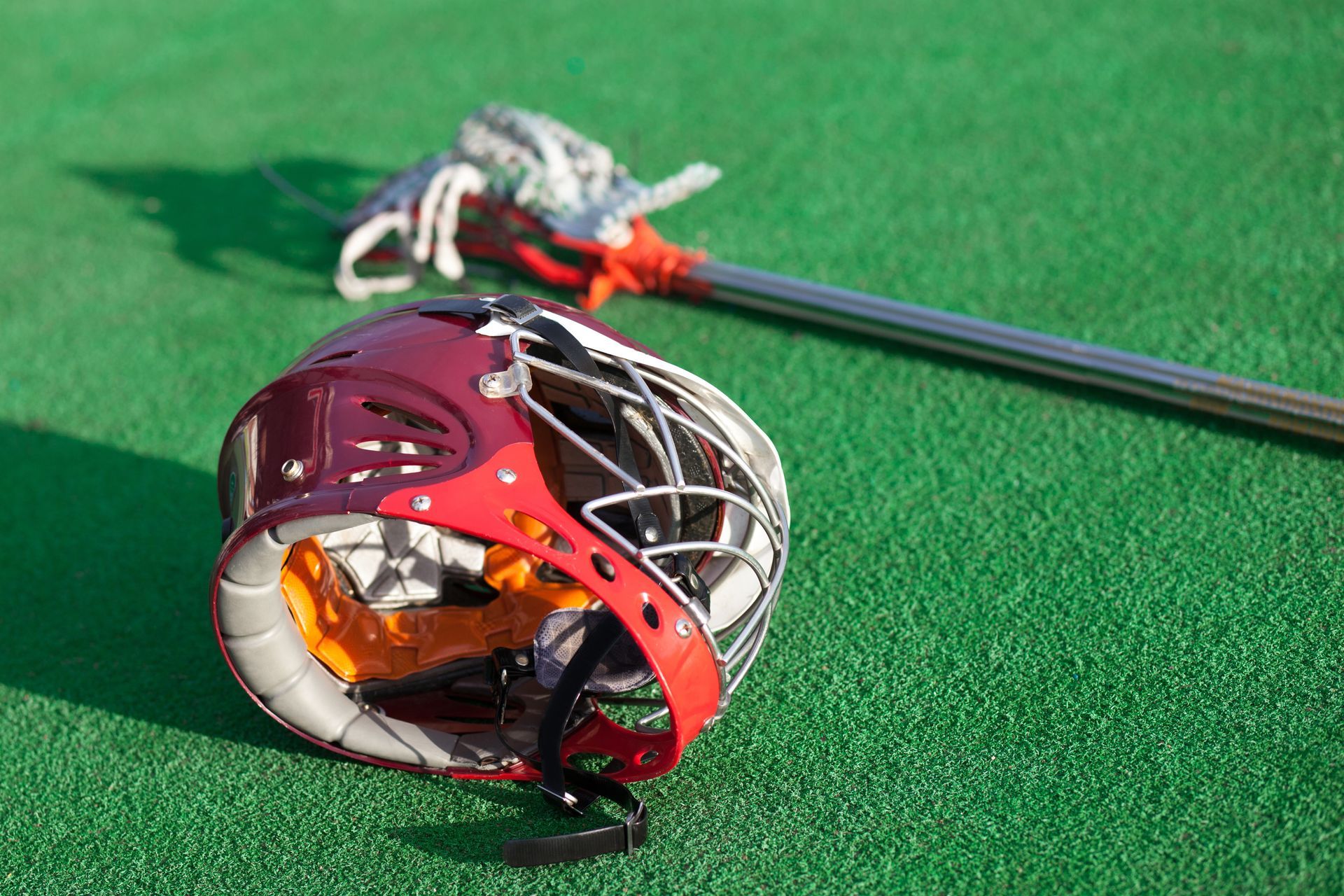
Many schools and parks need a single field for soccer, football, lacrosse, and physical education. Synthetic sports surfaces can be lined for multiple sports with different colored inlaid lines so each program has accurate markings without constant repainting.
Call GSDTURF to plan synthetic sports surfaces and athletic field turf installation in Kannapolis, NC.
Soccer Field Turf and Football Field Turf
Soccer and football are the two most common sports turf applications, and each sport places different demands on the surface.
Soccer Field Turf
Soccer field turf is designed to support true ball roll, controlled bounce, and quick directional changes. Fiber selection and infill depth are adjusted so the ball moves across the sports turf similar to well-maintained natural grass. Goal mouths and corner areas see the most wear, so we pay close attention to infill levels and fiber durability in those zones.
Football Field Turf
Football field turf must handle heavy contact, cleats digging in, and concentrated wear between the hashes. Football systems typically use durable fibers, a stable infill layer, and often a shock pad to improve impact absorption. Yard lines, hash marks, numbers, and end zone graphics can be inlaid directly into the sports turf for lasting accuracy.
Practice and Training Fields
Practice fields, training areas, speed and agility lanes, and batting cages can also be built with sports turf. These smaller installations give teams a dependable surface for drills without wearing down the main field.
Planning a Sports Turf Project
A successful sports turf project depends on early planning that accounts for how the field will be used over its full service life.
Evaluating Use and Scheduling
We look at how many teams, sports, and hours of use the field will support. Heavily scheduled fields benefit from more durable systems and a defined maintenance plan.
Long-Term Value and Replacement Planning
Sports turf surfaces eventually wear out, and facilities often plan for replacement years in advance. A well-built base can typically be reused when the turf is replaced, which reduces future project costs.
Sports Turf Repair
Sports turf repair addresses separated seams, torn sections, damaged inlaid lines, and low spots caused by base settlement. Damaged areas are cut out and replaced with matching turf, and seams are rebonded so the surface plays consistently across repairs.
Sports Turf Repair and Maintenance
Sports turf is low maintenance compared to natural grass, but it is not maintenance free. Regular care keeps the field safe, consistent, and long lasting.
Routine Sports Turf Maintenance
Routine maintenance includes brushing or grooming to keep fibers upright, redistributing and leveling infill, removing debris, and inspecting seams and inlaid lines. High-use areas such as goal mouths, center circles, and sideline benches need extra attention because infill migrates there quickly.
Infill Management and Surface Testing
Infill depth directly affects player safety and field performance. We check and top off infill where levels have dropped. Facilities may also schedule impact testing to confirm the surface still absorbs force within accepted safety ranges.
Sports Turf Repair
Sports turf repair addresses separated seams, torn sections, damaged inlaid lines, and low spots caused by base settlement. Damaged areas are cut out and replaced with matching turf, and seams are rebonded so the surface plays consistently across repairs.
Request a sports turf repair and maintenance quote from GSDTURF in Kannapolis, NC.
Frequently Asked Questions About Sports Turf in Kannapolis, NC
What is sports turf?
Sports turf is a synthetic athletic surface designed for sports like soccer, football, lacrosse, and baseball. It combines durable fibers, infill, and an engineered base to provide consistent footing and ball response.
How long does sports turf last?
Sports turf typically lasts 8 to 12 years depending on the system used, hours of play, climate, and how consistently the field is maintained.
How long does athletic field turf installation take?
A full-size athletic field turf installation usually takes several weeks to a few months depending on site conditions, drainage work, weather, and field size.
Does sports turf drain well after rain?
Yes. When installed with a subsurface drainage system and a properly graded aggregate base, sports turf drains quickly and is often playable shortly after heavy rain.
What infill is used for sports turf?
Common sports turf infills include crumb rubber, coated rubber, EPDM, TPE, and organic options such as cork or coconut fiber mixed with sand. Each option affects cushioning, heat, and maintenance.
Is sports turf safe for athletes?
Sports turf is designed to be safe when installed with proper infill depth and, where appropriate, a shock pad. Regular maintenance and periodic impact testing help keep the surface within accepted safety ranges.
Does sports turf get hot in summer?
Sports turf can get hotter than natural grass in direct sun. Organic or coated infills, heat-reflective fibers, and watering before practice can help reduce surface temperatures.
Can one field be used for multiple sports?
Yes. Multi-sport fields can include inlaid lines in different colors for soccer, football, lacrosse, and other sports on the same sports turf surface.
What maintenance does sports turf need?
Sports turf needs regular brushing, infill leveling, debris removal, seam and line inspection, and periodic deep grooming. High-traffic areas require more frequent attention.
Can damaged sports turf be repaired?
Yes. Torn sections, separated seams, and damaged lines can be cut out and replaced with matching turf. Base settlement can also be corrected without replacing the entire field.
What is the difference between sports turf and landscape turf?
Sports turf is built for athletic performance, impact absorption, and heavy use, with engineered drainage and infill systems. Landscape turf is designed primarily for appearance and residential comfort.
Do you install sports turf outside Kannapolis?
GSDTURF installs and maintains sports turf in Kannapolis and nearby communities throughout Cabarrus and Rowan counties. Contact us to discuss your facility and location.